Decisions where getting it wrong is expensive. Getting it right takes discovery, stakeholder alignment, and a commercial case the buyer can defend internally.
I help companies win the harder sale by quantifying value that is clear, commercially credible, and strong enough to move a decision forward.
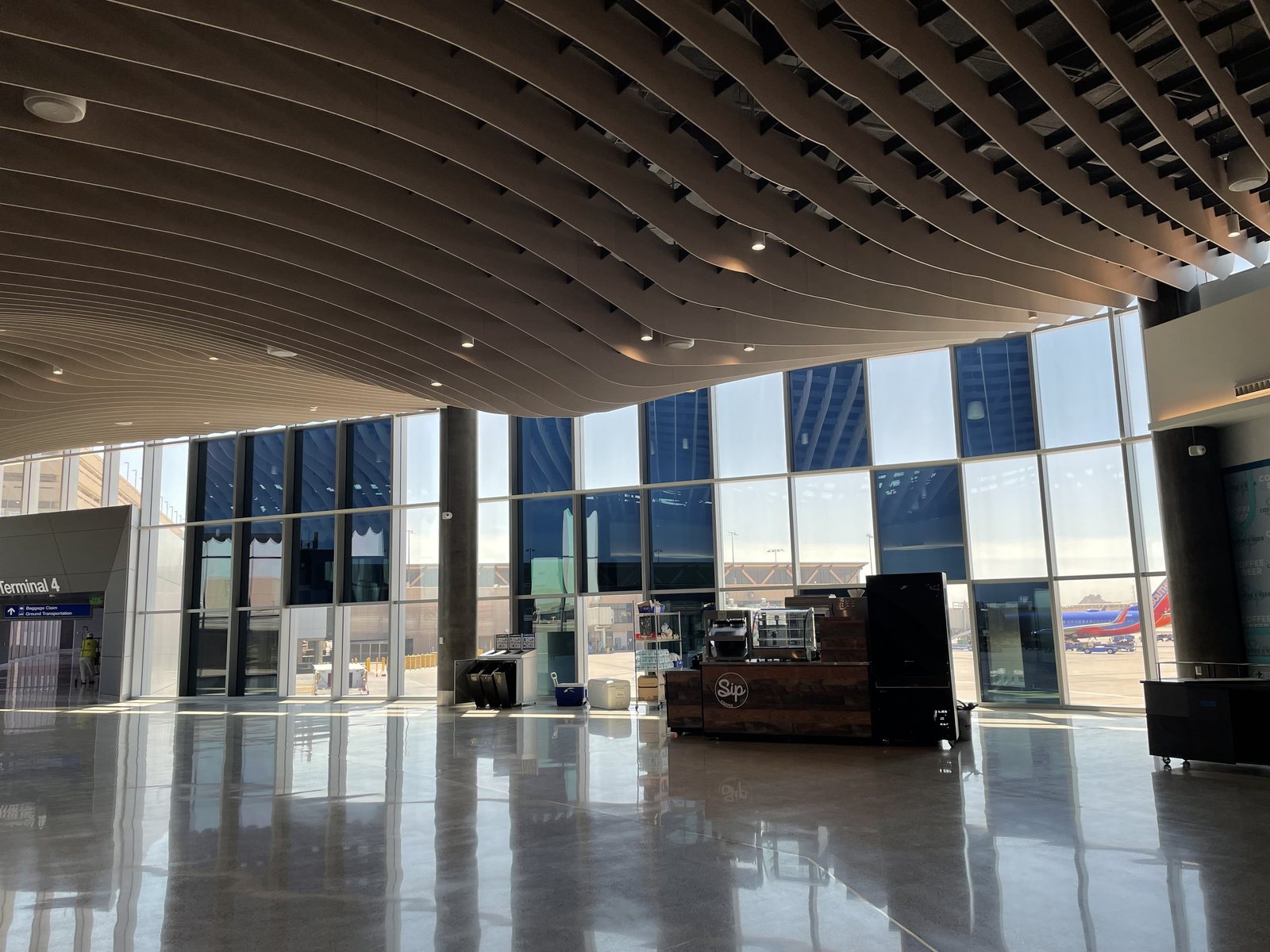
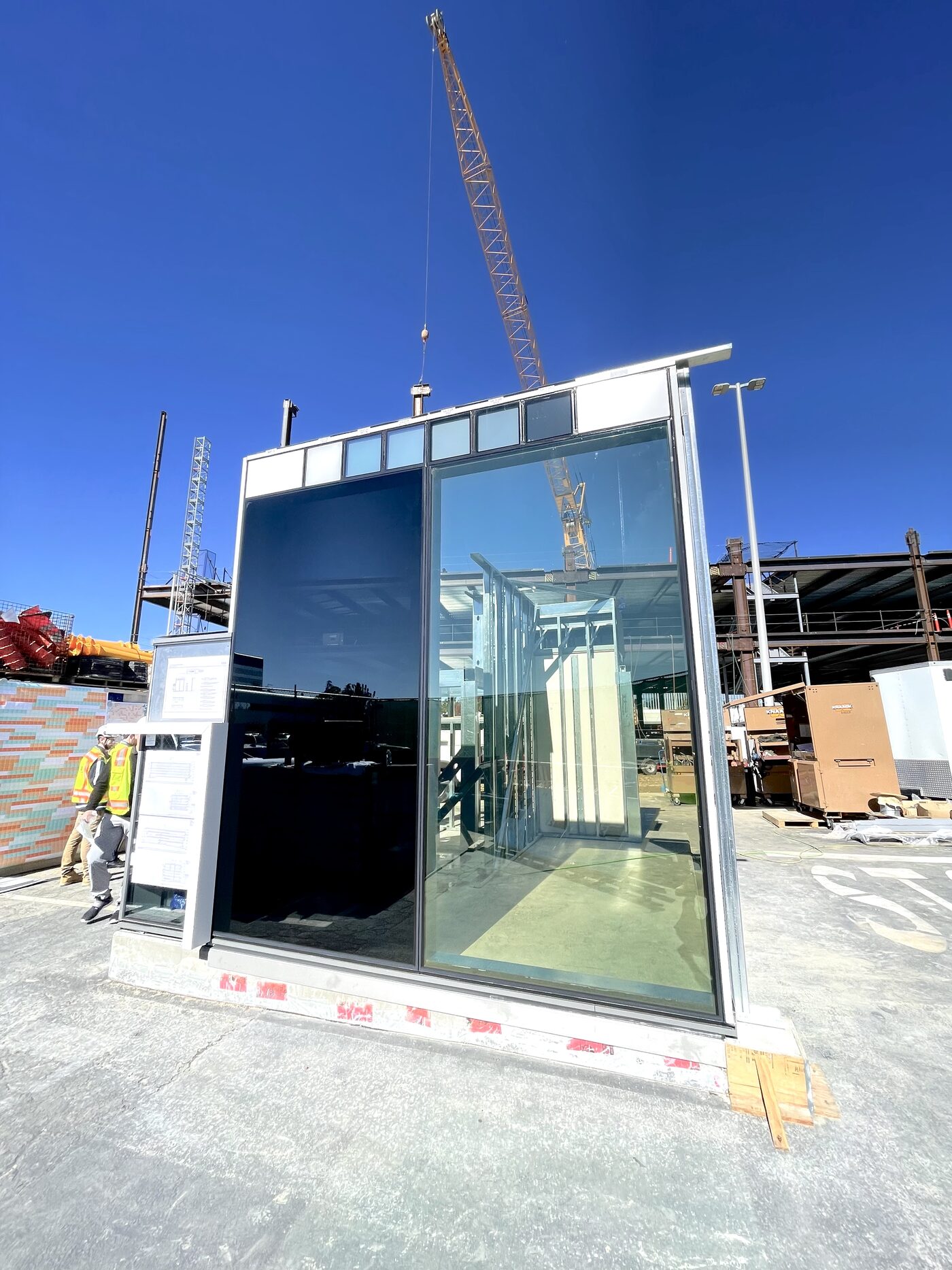
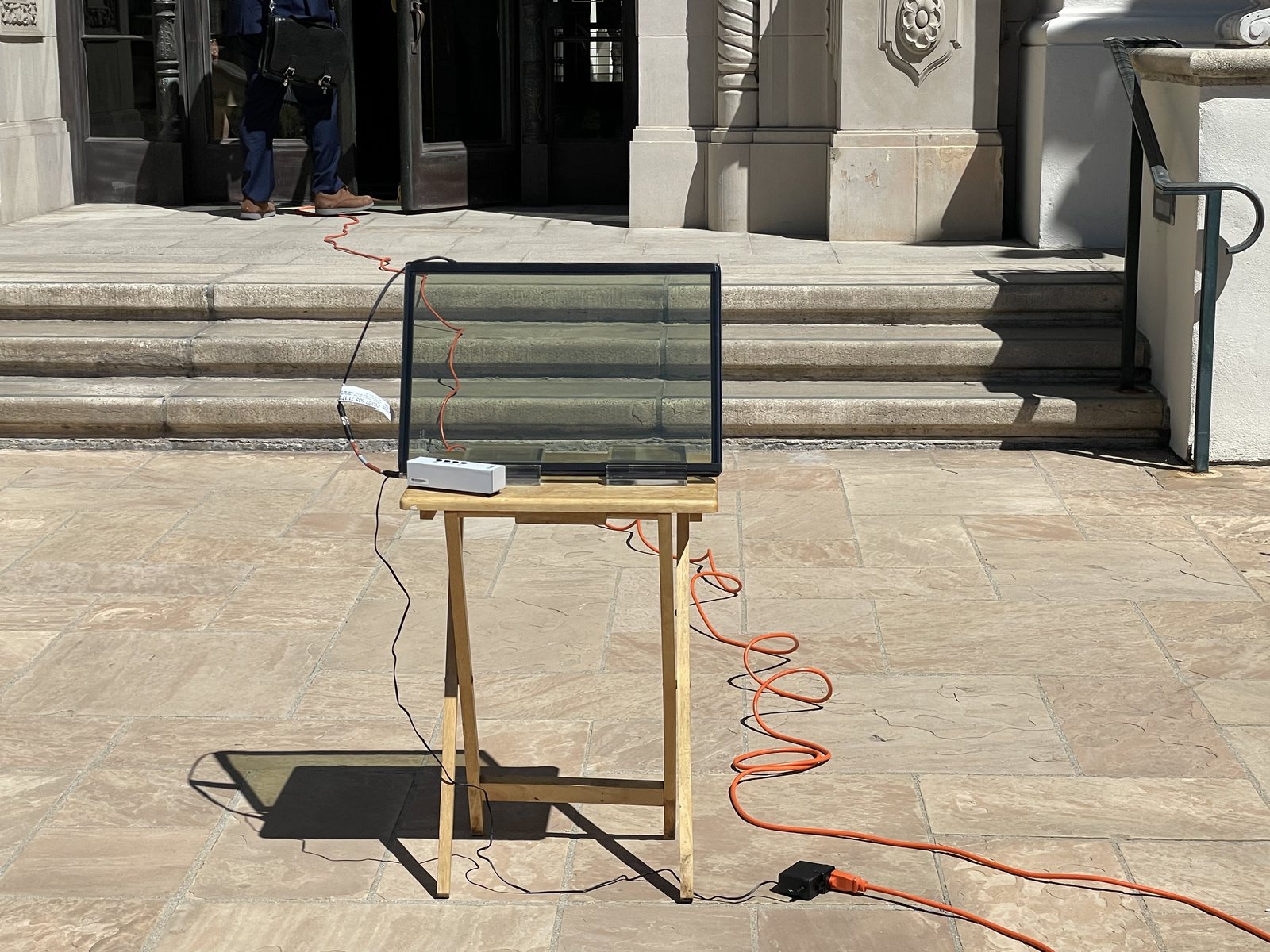
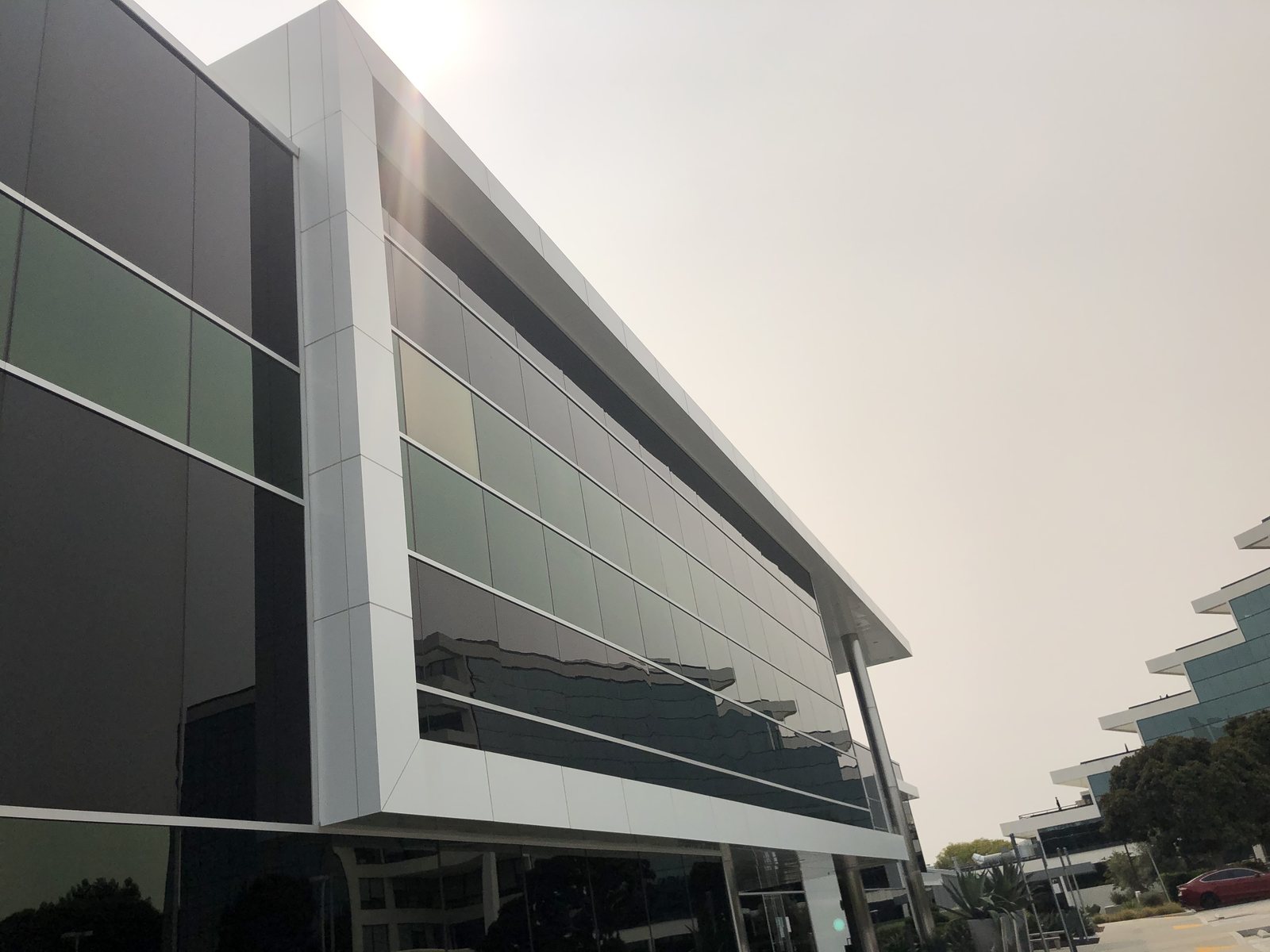
At View, smart glass could not command a premium over commodity glazing unless the value was tied to NOI and asset value in a way the buyer could defend internally. At GridBeyond, I won against incumbent analytics vendors by leading with a methodology a seasoned operator could take back to his equity partners.
At GridBeyond, as merchant economics tightened and software sales cycles stretched, I shifted the conversation to advisory and hedging support so the company could book revenue sooner and customers could keep moving while projects that need optimization move forward in the IX.
At View, I monetized pre-construction work our team was doing anyway, project specs, renderings, coordination, so the effort got billed instead of given away.
At View, I led the Southwest regional team and coached them to sell beyond the novelty of tinting glass into the operational and financial case. I also built the life sciences value proposition around tenant experience, NOI, and asset value.
At Stem, I moved enterprise buyers from single-site decisions into portfolio conversations on operational flexibility and long-term energy strategy, and on FTM deals focused on how asset owners could maximize value across portfolios, not just individual projects.
"Jess read between the lines of what they were really asking for, built a relationship grounded in credibility and trust, and delivered solutions that felt less like a sales pitch and more like a genuine partnership. Her attention to detail was exceptional. She anticipated questions before they were asked and never missed a beat."
Long sales cycles, complex deals, multiple stakeholders. The work starts with their problem, is anchored by the why, and ends with the value.
Building Verdiq, an independent project to make battery energy storage projects easier to underwrite. The framework connects battery behavior and nodal conditions to financial outcomes, giving teams a consistent way to compare assets, scenarios, and assumptions and reducing the noise created by fragmented tools and inconsistent modeling approaches.
Led commercial engagements in optimization, forecasting, and market participation with storage owners, developers, and offtakers.
Converted a one-off study into GridBeyond's first recurring monthly retainer with a global renewables developer the company had been trying to access for years. Closed a phased forecasting and modeling engagement with a new ERCOT IPP against established providers.
Co-authored GridBeyond's whitepaper on preserving battery value in competitive markets and co-hosted an Energy Storage News webinar with a colleague, with LG Energy Solution Vertech as our featured guest.
As merchant financing tightened in ERCOT, I led structured revenue conversations around floors, tolls, hedges, and other risk-transfer products, positioning GridBeyond as the optimizer of record inside tripartite structures rather than the counterparty.
Sold into storage developers and owners across BTM and FTM through three Stem business models in two years.
Rebuilt $1.7B in qualified FTM pipeline from scratch after Stem shut down BTM and I moved to the FTM West team. Closed Stem's first services-only engagement under the new model by translating a broad market-advisory ask into a scoped interconnection engagement.
Earlier, on the BTM Enterprise team, built $166M in qualified pipeline across Fortune 500 and hyperscale buyers. I wrote the storage proposal for a municipal utility RFP strongly enough that Stem's EMS remained in the winning project. Recognized as Key Talent 2024.
"Jessica has been extremely good at being flexible. She has continued to stay resilient and keep focused. Her perseverance and smart work is what makes her stand out to me."
At View, I closed $23M on Wilshire Boulevard for a state pension fund during SEC investigation and going-concern, including $5M in accelerated billings two days before fiscal close.
I delivered a healthcare REIT's flagship Boardwalk campus, which expanded into two additional buildings at Callan Ridge and one at Sorrento Gateway by selling tenant experience and resulting asset value rather than product features. I later closed a follow-on 5-story lab building with an institutional account after a three-year trust rebuild following a product warranty issue.
I was promoted to Regional Director, leading a team of account executives across SoCal, Arizona, and Nevada while continuing to carry quota.


"Her superpower is to research what she does not understand on her own and get a deeper understanding of that subject in order to turn around and educate the rest of the team."
Today, BESS projects are often evaluated through fragmented tools, making deals difficult to compare and harder to trust. When projected returns differ, it is often unclear whether the driver is the market view, the asset, the location, or the optimizer behind the analysis.
Verdiq brings those variables into one standardized framework that connects battery behavior and nodal conditions to financial outcomes. Users still bring their own forward curves and market assumptions, preserving control of the core thesis.
Verdiq provides a consistent baseline that allows teams to compare assets, scenarios, and combinations of assumptions on the same footing, without results changing just because a different optimizer or modeling approach was used. The result is a clearer, more credible basis for underwriting decisions in an asset class that still lacks a common language.
A new ERCOT IPP was getting ready to take over a battery portfolio, with FERC approval pending before summer and an equity round closing inside a two-to-four week window. They needed long-term revenue modeling and a path to market participation their equity partners would trust.
I used the first call for discovery instead of leading with the product, which surfaced the real ask: prove GridBeyond's analytics were better than what they had looked at building in-house.
I set the work up in two phases to match their capital close. First, we gave them an independent revenue view they could use for financing. Then we moved into market participation as operations began. The buyer had seen the optimistic-projection pitch before. My team of SMEs and I led with conservative, transparent methodology his partners could check.
This started as a small modeling study with one of the largest renewable energy developers in North America. The buyer came into the MSA call treating it like another one-time deliverable. I pushed it toward what the work really needed to be: an ongoing advisory relationship.
I built a training program for their BD team, handled the MSA redlines myself instead of sending them to outside counsel, and reworked the agreement from a one-off project into a monthly retainer.
It became GridBeyond's first recurring monthly retainer and opened an account the company had been trying to get into for years.
I closed a $23M trophy-office reskin for a state pension fund while the company was under SEC investigation and operating under going-concern. The deal was blocked three different ways.
The GC required performance and payment bonds the company could not get, so I negotiated a pre-construction-only bond as a first step. Our Experience Modification Rate (EMR) was inflated by incident data from manufacturing plants, which kept us from bonding, so I researched California's state-specific exclusion and worked with the carrier to issue a California-only rate letter that cleared the issue.
I also split the contract so one part could close ahead of the other and coordinated with the GC and glazing subcontractor to process $5M in billings two days before fiscal year close.
This was the hardest recovery I've done. A warranty issue had affected one of the buyer's existing buildings, and competitors were positioned as the safer choice.
I rebuilt trust over three years through straight, consistent communication and by addressing the product issues directly instead of trying to talk around them. Monthly site walks for more than three years. Replacement panels coordinated around active tissue labs, contamination protocols, and access windows. Five or six panels on weekends, for years.
I pushed View to address the root cause directly with the buyer (micro-punctures at the end of rolls of a third-party spacer material, undetectable by the existing QA process) rather than hoping the market would forget. The QA changes that came out of this work applied across the company.
The buyer still chose our product for a new five-story lab building despite the product history, the company's going-concern status, and the higher cost. The deal closed because the buyer knew exactly what they were getting.
After Stem shifted to a services-only model, I closed the company's first six-figure deal under the new structure. The work covered preliminary design and interconnection support for the buyer's Illinois community solar and storage pipeline.
The buyer had already been burned by portfolio optimization advice that felt too vague to use, so I reset the scope around what he actually needed: site-level sizing and interconnection applications that would otherwise have gone to his engineering firm.
A municipal utility put out an RFP for three standalone battery systems at existing substations. One of my accounts asked if we could partner because they did not have storage experience, so I built the storage section of the proposal.
I evaluated Tesla, Sungrow, BYD, and CATL and recommended Tesla Megapack 2XL across all three sites based on reliability, safety, warranty terms, and overall fit. I also wrote the case for Stem's EMS and operating services around that setup.
My development partner did not win the project, but the EMS case was strong enough that the utility still required the winning bidder to buy Stem's EMS and related services.
The deal ultimately closed as Stem's first contract for its newly launched EMS across a multi-site BESS portfolio and added a new logo.
I started in commercial real estate in Central Pennsylvania, then transitioned to hotel investment sales at a global brokerage.
From there I moved to a major Miami-based condo-hotel developer where by my early twenties I was writing the LOIs, managing loan compliance for international banks, and building the pro formas behind more than $250M in hotel transactions across Miami Beach and the Florida Keys.
Back in San Diego, I moved into industrial and R&D brokerage at Voit, Kidder Mathews, and Cushman & Wakefield. My clients ranged from a sitting U.S. congressman to national consumer brands and specialty manufacturers. I ran DCF analysis for other brokers whose deals needed it, because they couldn't do it themselves.
Across the years I worked deals from every side of the table: development, brokerage, and capital partners. I learned to think like an owner: value, risk, timing, whether the deal actually pencils.
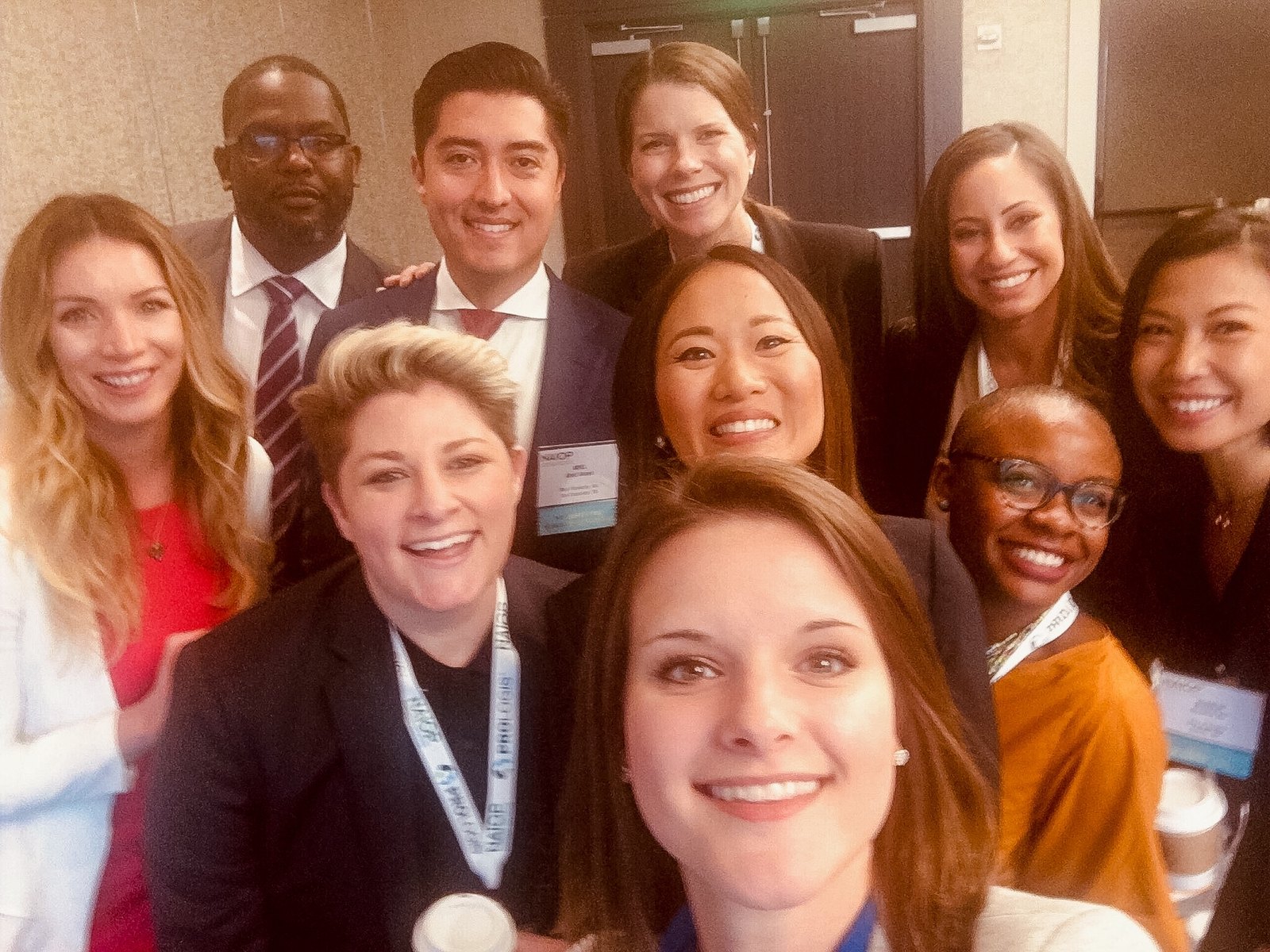
Along the way: ARGUS Software Certification, CCIM financial analysis coursework, ULI pro forma fundamentals, NAIOP commercial development, California real estate license. In 2019, selected for the NAIOP and Prologis Inclusion in CRE Scholarship, a national award for rising commercial real estate talent from underrepresented backgrounds.